Jul 27, 2026 | Boilers
There’s never a convenient time for your boiler to break down.
Whether it’s a freezing winter morning, a bank holiday weekend or the middle of a family routine, losing heating and hot water can quickly become stressful — especially if there are children, elderly relatives or vulnerable family members at home.
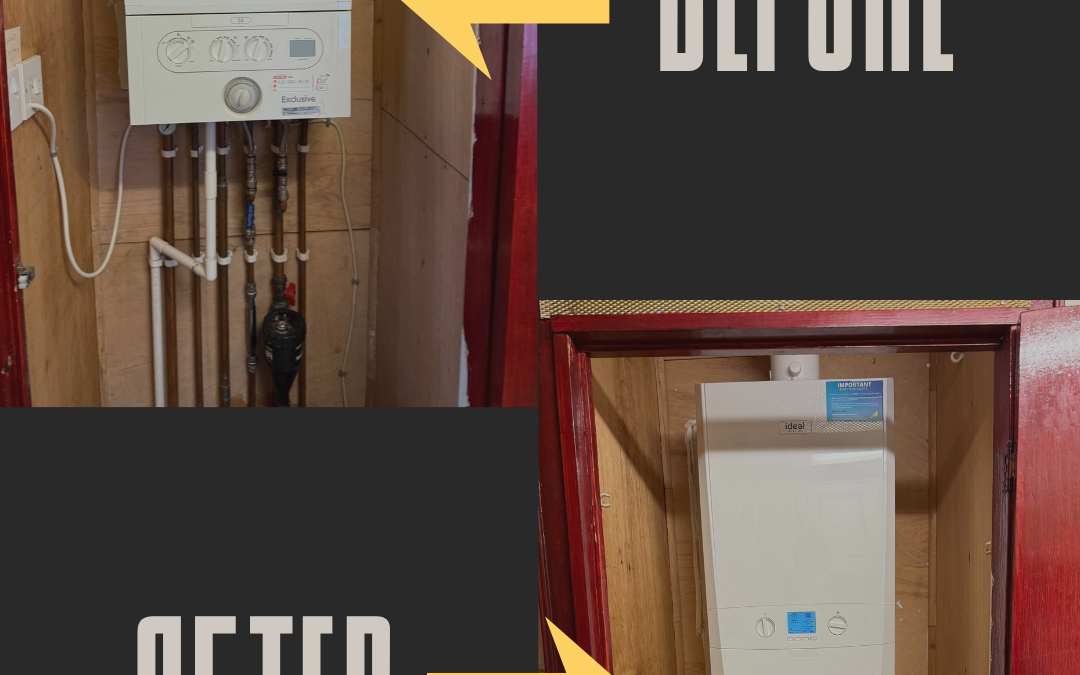
At Christy Plumbing & Heating Ltd, we provide emergency boiler replacement services across Bedford and the surrounding areas, helping homeowners get their heating and hot water restored as quickly and safely as possible.
When Does a Boiler Breakdown Become an Emergency?
Not every boiler fault means you need a replacement.
Many common issues can be repaired quickly and economically.
However, some situations leave replacement as the safest and most cost-effective option.
These include:
- A cracked or leaking heat exchanger.
- A boiler that has been condemned as unsafe.
- Major component failure on an older appliance.
- Replacement parts that are no longer available.
- Repair costs that approach the value of a new boiler.
- Repeated breakdowns on an ageing system.
If your boiler is over 10 to 15 years old and facing a significant repair bill, replacing it may provide better long-term value and reliability.
What To Do If Your Boiler Stops Working
If your heating suddenly fails, there are a few simple checks worth carrying out first:
✓ Check the boiler pressure.
✓ Check the electrical supply and fused spur.
✓ Reset the boiler if the manufacturer allows it.
✓ Check your thermostat settings and batteries.
✓ Look for any fault codes displayed on the boiler.
If these checks don’t restore operation, it’s time to call a qualified engineer.
If you smell gas or suspect a carbon monoxide issue, turn off the appliance immediately, ventilate the property and contact emergency services if necessary.
Can You Replace a Boiler Quickly?
In many cases, yes.
Where the existing boiler location remains the same and pipework alterations are minimal, an emergency boiler replacement can often be completed within a single day.
Availability of the chosen boiler model and the complexity of the installation will ultimately determine timescales, but modern like-for-like replacements are generally far quicker than many homeowners expect.
Choosing the Right Boiler During an Emergency
When your heating has failed, it’s understandable to want the quickest solution possible.
However, choosing the right boiler remains important.
Factors to consider include:
- Property size.
- Number of bathrooms.
- Hot water demand.
- Existing heating system type.
- Available installation space.
- Future energy efficiency goals.
For many Bedford homes, modern combination boilers offer an excellent balance of performance, efficiency and simplicity.
Larger properties may be better suited to system boilers with hot water cylinders.
Why Modern Boilers Are Worth Considering
Today’s boilers are significantly more efficient than models installed fifteen or twenty years ago.
Benefits often include:
- Lower gas consumption.
- Reduced heating bills.
- Improved reliability.
- Quieter operation.
- Better hot water performance.
- Compatibility with smart heating controls.
Many homeowners are surprised by the difference a modern boiler can make to both comfort and running costs.
Hard Water Considerations in Bedford
Much of Bedfordshire experiences moderately hard water, which can contribute to limescale build-up inside heating systems over time.
During a new installation, system protection becomes particularly important.
Measures such as magnetic filters and chemical inhibitors help protect the boiler, improve efficiency and extend the life of the system.
These are now considered essential parts of a quality installation rather than optional extras.
What Is Included With a Boiler Replacement?
While every installation is different, a professional boiler replacement will typically include:
- Removal of the old boiler.
- Installation of the new appliance.
- Flue replacement where required.
- System cleaning and water treatment.
- Commissioning and safety testing.
- Registration with the manufacturer.
- Building Regulations notification.
A good installer should also take time to explain how your new heating controls work and answer any questions before leaving site.
Areas We Cover
Christy Plumbing & Heating Ltd provides emergency boiler replacement services throughout Bedford and surrounding areas including:
- Bedford
- Kempston
- Biddenham
- Bromham
- Great Denham
- Clapham
- Oakley
- Wixams
- Elstow
- Shortstown
- Wootton
- Marston Moretaine
- Stewartby
If you’re unsure whether we cover your area, simply get in touch and we’ll be happy to help.
Our Advice
When your boiler fails unexpectedly, it’s easy to feel under pressure to make a quick decision.
The most important thing is getting honest advice from a qualified engineer who can explain your options clearly.
In some cases, a repair will be the sensible choice.
In others, replacement may offer better value, improved reliability and lower running costs in the long term.
At Christy Plumbing & Heating Ltd, we believe in straightforward advice, transparent pricing and quality workmanship — helping homeowners across Bedford get their heating back up and running with as little disruption as possible.
If you’re experiencing boiler problems and need advice on repair or replacement, our team is always happy to help.
Jul 13, 2026 | Boilers
As energy prices continue to fluctuate and more homeowners look for greener ways to heat their homes, heat pumps are becoming an increasingly popular alternative to traditional gas boilers.
At Christy Plumbing & Heating Ltd, one of the questions we’re hearing more often is:
“Can I replace my boiler with a heat pump?”
The short answer is yes — but whether it’s the right choice depends on your home, your heating system and your long-term plans.
Here’s what you need to know.
What Is a Heat Pump?
Unlike a gas boiler, a heat pump doesn’t create heat by burning fuel.
Instead, it captures heat energy from the outside air and transfers it into your home to provide heating and hot water.
Even on cold winter days, there is still usable heat energy in the air, which modern heat pumps can extract and use very efficiently.
This makes them one of the most energy-efficient heating technologies currently available.
How Efficient Are Heat Pumps?
Modern gas boilers are typically around 90% efficient, meaning some energy is always lost during combustion.
Heat pumps work differently.
For every unit of electricity used to run the system, they can often produce three or more units of heat energy. This means efficiencies of 300% or more are achievable under the right conditions.
That efficiency is one of the main reasons heat pumps are becoming a major part of the UK’s move towards lower carbon heating.
What Are the Benefits of Switching to a Heat Pump?
Lower Carbon Emissions
Heat pumps produce no direct emissions at your property and can significantly reduce your home’s carbon footprint.
Lower Running Costs
While this depends on your insulation levels, heating habits and electricity tariff, many homeowners see lower running costs over time due to the efficiency of the system.
Consistent Comfort
Heat pumps work best when maintaining a steady temperature, creating a more even and comfortable heat throughout the home.
Future-Proof Heating
With government targets moving away from fossil fuel heating over the coming decades, many homeowners see heat pumps as a long-term investment in their property.
Can Every Home Have a Heat Pump?
Not every property is immediately ready for a heat pump, but many homes can be adapted successfully.
The most important factors are:
Good insulation levels.
Suitable radiator sizes.
Available space for the outdoor unit.
Space for a hot water cylinder if replacing a combi boiler.
A professional heat loss survey will determine exactly what changes, if any, are required.
What About Existing Radiators?
One of the biggest myths surrounding heat pumps is that every radiator needs replacing.
In reality, many existing radiators can remain in place.
Some properties may require a few larger radiators in certain rooms because heat pumps operate at lower flow temperatures than gas boilers, but this varies from home to home.
A proper design survey will identify what is needed.
Can I Replace a Combi Boiler with a Heat Pump?
Yes.
However, unlike combi boilers that provide hot water instantly on demand, most heat pump systems use a hot water cylinder to store domestic hot water.
This means you’ll need space for a cylinder if you don’t already have one installed.
For many homeowners, this is one of the biggest considerations when making the switch.
How Much Does a Heat Pump Cost?
The installation cost for an air source heat pump typically ranges between £7,000 and £15,000 depending on:
Property size
Existing heating system
Insulation levels
Radiator upgrades required
Hot water cylinder requirements
While this is a larger investment than replacing a boiler, government grants can significantly reduce the upfront cost.
Government Grants Available
The Boiler Upgrade Scheme currently offers grants towards the installation of air source heat pumps in England and Wales.
These grants can make heat pumps a far more affordable option for many households considering upgrading their heating system.
Eligibility criteria apply and installers must hold the relevant accreditations for grant-funded work.
Is a Heat Pump Right for You?
Heat pumps can work exceptionally well in:
Well insulated homes
Newer properties
Homes undergoing renovation
Properties looking to reduce carbon emissions
Households planning long-term improvements
However, they aren’t automatically the right solution for every property.
In some homes, improving insulation or upgrading radiators first may deliver better results.
Our Advice
Choosing a heating system isn’t about following trends — it’s about finding the right solution for your property and your lifestyle.
For some homeowners, a heat pump is an excellent investment that delivers lower running costs and future-proof heating.
For others, a modern high-efficiency gas boiler may still be the most practical option for the time being.
The important thing is getting honest advice based on your home rather than a one-size-fits-all recommendation.
At Christy Plumbing & Heating Ltd, we believe in giving straightforward, practical guidance so our customers can make informed decisions with confidence.
If you’re considering a heat pump or simply want to understand your options, we’d be happy to help.
Jul 13, 2026 | Boilers
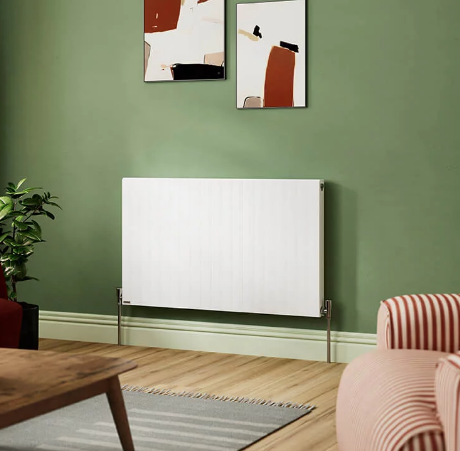
I’ll let you in on a little secret: when it came to choosing radiators for my own house, I didn’t shop around for long. I went straight for Stelrad. Not because it’s the brand we fit most often for our customers (though it is), but because after years of installing, servicing and occasionally wrestling with radiators of every make going, I know which ones are built to last. Stelrad has never let me down, at home or on the job. So when I found out Stelrad is celebrating its 90th birthday this year, I wanted to put the kettle on, sit down, and tell you a bit about the company behind the radiators warming your living room right now.
A proper British success story
Stelrad’s roots go back to 1936, when a small factory near the Uxbridge Road in Southall, west London, started turning out steel column radiators. Ninety years, two world-changing decades of house-building, and a house-move up to Mexborough in South Yorkshire later, Stelrad has grown into one of the biggest names in home heating – and it’s still a name I trust enough to have on my own wall. There’s something I really like about that. In an industry full of brands that come and go, or get swallowed up and lose what made them good, Stelrad has stuck around by doing the basics brilliantly: well-made, reliable radiators that heat a room properly and keep doing it for decades.
It started with an idea from a very cold city
The story of the radiator itself starts long before Stelrad. The first practical central heating radiator is generally credited to a Russian engineer, Franz San Galli, working in St Petersburg in the 1850s. Given how bitter a St Petersburg winter can be, it’s not exactly a shock that someone there was motivated to invent a better way of heating a room. His cast-iron design became the blueprint that later radiators, including the ones Stelrad began producing in the 1930s, built on.
Built through the decades when Britain needed heat most
Stelrad’s early years weren’t easy ones. The company had barely got going before the Second World War brought widespread destruction to homes across the country. The rebuilding effort that followed in the 1940s and ’50s created huge demand for new housing – but central heating was still a luxury most new homes went without, simply because it added cost that stretched budgets couldn’t cover. I think it’s worth remembering just how different home heating used to be. Coal fires were the norm, and most families really only heated the one room they could afford to keep warm – everywhere else in the house stayed cold. Add in single-glazed, draughty windows, and it’s easy to picture the state of things: ice on the inside of the glass some mornings wasn’t unusual at all. It wasn’t until the 1970s that “central heating” really entered everyday conversation in British homes. As natural gas became more widely available and new housing was built to take advantage of it, central heating went from a nice-to-have to something people simply expected. And as more homes wanted it, more homes needed radiators – which is exactly the moment Stelrad’s growth really took off.
From steel panels to the styles we fit today
Stelrad hasn’t stood still since. Over the years the range has grown well beyond the original steel panel radiator to include designer and decorative styles, low surface temperature radiators for homes that need them, and the heated towel rails that are pretty much standard in bathrooms now. Ownership of the company has changed hands a few times over the last four decades, but the manufacturing has stayed firmly rooted in Britain, with production consolidated at Mexborough since 1999. Today, Stelrad holds the largest share of the radiator market not just in the UK, but across several other European countries too. Not bad for a company that started in a small Southall factory the same year Fred Perry won his third Wimbledon title.
Why we still recommend them – and fit them at home
When we’re speccing a new heating system for a customer, or replacing a tired old radiator, we’re not just thinking about what looks good on the day. We’re thinking about what’s still going to be doing its job well in fifteen or twenty years. That’s exactly why Stelrad keeps coming up as our go-to recommendation, and why you’ll find them fitted throughout my own home.
If you’re planning a new bathroom towel rail, upgrading an old radiator that’s more cosmetic damage than working heater, or fitting out a whole new heating system, give us a shout. We’ll help you pick the right style and size for the room, and fit it properly so it does its job for decades to come – just like Stelrad has been doing for the last 90 years.
Keep our number handy!
📞 01234 325620
💬 WhatsApp 07773 333449
Jul 7, 2026 | Boilers
A Homeowner’s Guide from Christy Plumbing & Heating Ltd
Many homeowners are unknowingly spending more than they need to on heating bills simply because their heating controls aren’t set up correctly.
Even the most efficient boiler can waste energy if it’s paired with outdated controls or settings that don’t suit the way your home is used.
At Christy Plumbing & Heating Ltd, we regularly see homes where a few simple improvements to heating controls make a noticeable difference to both comfort and running costs.
Why Heating Controls Matter
Your boiler controls are what tell your heating system:
- When to come on
- When to switch off
- How warm your home should be
- Which rooms need heating and which don’t
When everything works together properly, your boiler runs more efficiently, your home stays comfortable and you avoid paying to heat rooms unnecessarily.
Many households can reduce their heating costs simply by improving the way their controls are set up.
Understanding the Main Heating Controls
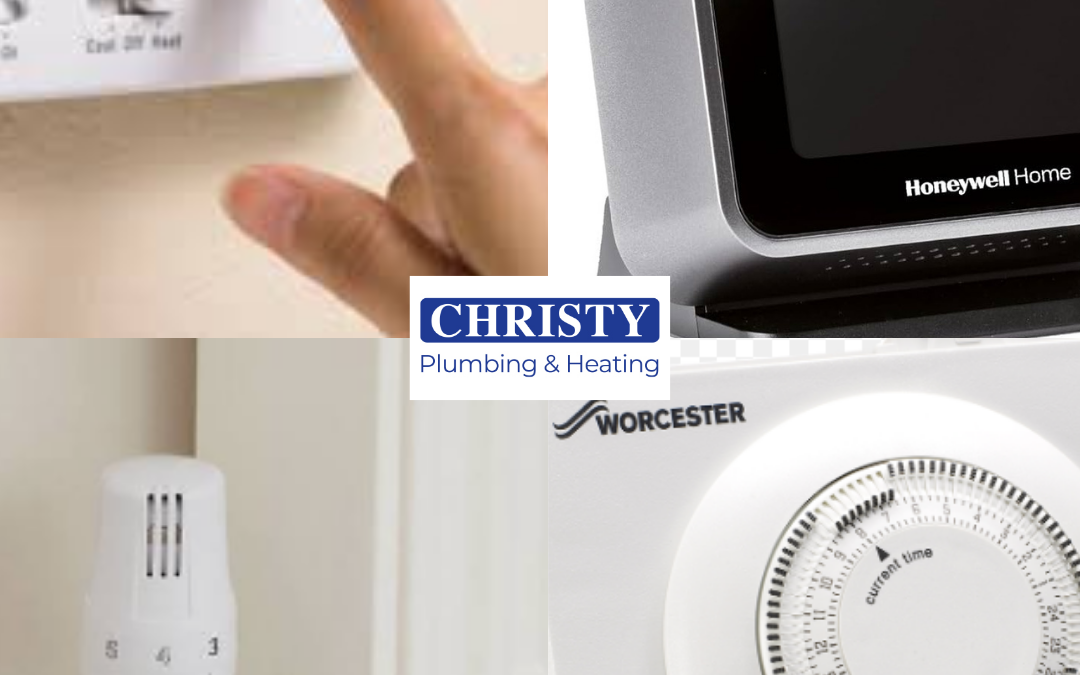
Room Thermostat
The room thermostat controls the overall temperature of your home by telling the boiler when heat is needed.
For the best results, your thermostat should be located in a room that gives a good representation of the average temperature in the house, away from radiators, direct sunlight and draughts.
Timer or Programmer
Your timer or programmer controls when your heating and hot water operate.
Modern programmers allow different schedules for weekdays and weekends and can help avoid heating an empty home unnecessarily.
Thermostatic Radiator Valves (TRVs)
TRVs are the numbered valves found on most radiators.
They allow you to set different temperatures in different rooms, meaning bedrooms can stay cooler while living areas remain warmer.
This is one of the easiest ways to improve comfort and reduce energy use.
Smart Heating Controls
Smart thermostats allow you to control your heating from your phone, tablet or smart speaker.
They can be particularly useful for:
- Busy households
- Homes that are empty during the day
- Families with changing schedules
- Holiday homes or rental properties
Used correctly, smart controls can help reduce energy usage while improving convenience.
How Your Controls Work Together
The most efficient systems use all controls together:
- The programmer decides when heating is allowed to run.
- The room thermostat decides if heat is actually needed.
- TRVs fine-tune temperatures in individual rooms.
- Smart controls add convenience and remote access.
When set up correctly, your boiler runs less often, works more efficiently and experiences less wear and tear.
Common Problems We See
Some of the most common issues we come across include:
- Thermostats installed in poor locations.
- TRVs fitted incorrectly.
- Heating left running longer than necessary.
- Flow temperatures set too high.
- Smart controls installed but never programmed properly.
These issues can increase energy use and reduce comfort throughout the home.
Is It Time to Upgrade Your Controls?
You may benefit from upgrading if:
- Your controls are over 10 years old.
- You only have a basic timer.
- Some rooms are always too hot or too cold.
- Your heating bills seem higher than expected.
- You’d like to control your heating remotely.
Often, upgrading controls can provide a faster return on investment than replacing the boiler itself.
Quick Homeowner Checklist
✔ Do you have a room thermostat?
✔ Do most radiators have working TRVs?
✔ Can you control heating and hot water separately?
✔ Are your heating schedules matched to your routine?
✔ Is your thermostat positioned correctly?
✔ Have your heating controls been reviewed in the last few years?
If you answered “no” to several of these questions, your heating system may benefit from a controls review.
Our Advice
There isn’t a one-size-fits-all solution when it comes to heating controls. The right setup depends on your home, your boiler and how you use your heating.
A smaller property may only need a programmable thermostat and TRVs, while larger homes often benefit from zoning or smart controls.
At Christy Plumbing & Heating Ltd, we’re always happy to offer straightforward advice and recommend solutions that genuinely suit your property and budget.
If you’d like advice on improving your heating efficiency or upgrading your controls, get in touch with our team and we’ll be happy to help.
May 28, 2026 | Boilers
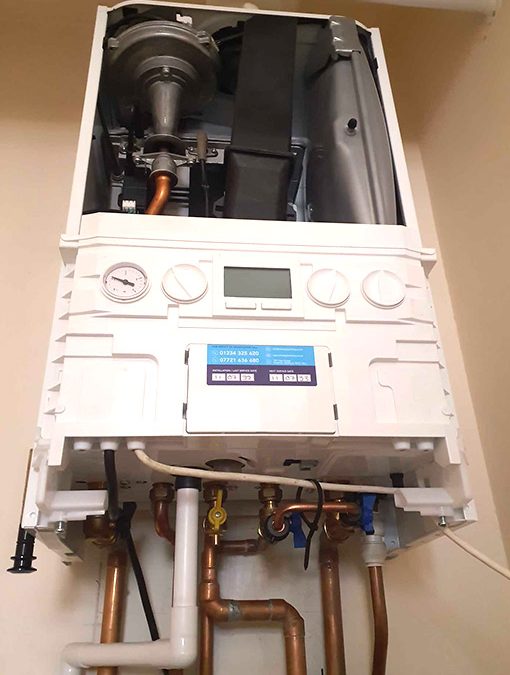
With the increase in the energy price cap and the ever-increasing cost of living, you might be tempted to ignore early warning signs from your boiler. I’ve always tried to relate a boiler to the human body. It’s the heart of your house connecting to the arteries that make up your heating and hot water system. Just like a human, if you start getting palpitations, don’t ignore it, go to the Doctor, it will only get worse. If your boiler starts telling you things aren’t running like normal, get the heating engineer to look at the symptoms.
You might dismiss low pressure or ‘chuffing noises’ or slight brown stains on the worktop under the boiler, and these kinds of common boiler faults are often dismissed at first, only for the problem to escalate over time and potentially become terminal.
It is rare for a boiler just to stop working.
You might have to top up your boiler pressure every few months, but this will become every few weeks, then every few days. This means that there is a leak somewhere in the system, as it’s not holding pressure. The boiler might work temporarily, but the rest of your system starts to be put under strain.
Chuffing or kettling noises are usually a sign that limescale or sludge is affecting how efficiently the boiler is operating, and the boiler might overheat like your De’Longhi, and this equates to damage!
Small leaks showing up on the worktop might corrode the inside of your boiler, damaging otherwise working parts.
Typical early boiler issues discussed include:
- Low or fluctuating pressure
- Banging or rumbling noises (kettling)
- Small visible leaks
- Radiators not heating evenly
- Hot water is taking longer to come through
- Boiler switching off unexpectedly
Ryan said many homeowners try to live with early symptoms rather than calling for help straight away.
“It’s understandable because no one wants the disruption or cost of a repair call.”
You might think, “I can’t afford to call someone out and pay that bill. But if you leave it, you are just kicking the can down the road, and looking at costs snowballing when the boiler finally gives up.
All your boiler needs is not to be ignored and a little bit of TLC. So invest in an annual service where we would highlight potential issues early, and don’t wait for a full breakdown.
May 19, 2026 | Boilers
In many homes, the boiler cupboard quickly becomes a handy extra storage space. We completely understand — every bit of storage counts! But storing the wrong items near your boiler can create safety risks and even affect how efficiently your heating system works.
You may think your boiler is safely sealed in its own white box – but you really need to remember it is a machine that gets hot with fuel, electricity, water and electronics moving through it.
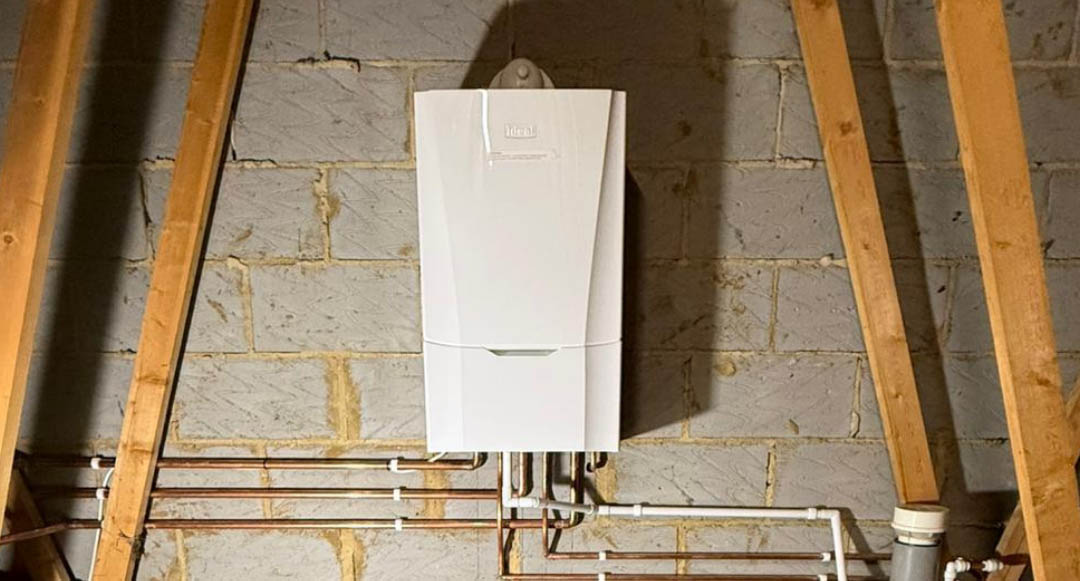
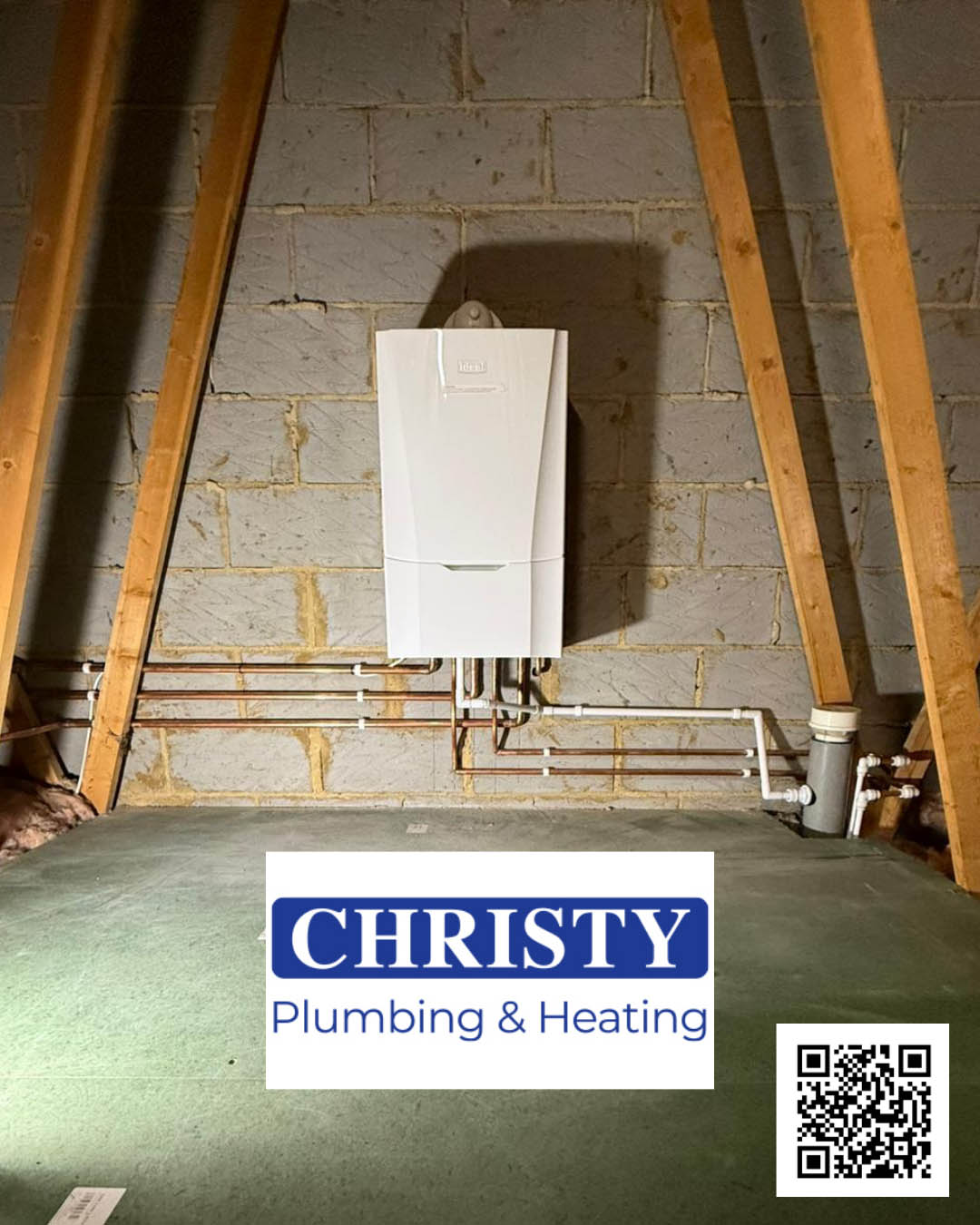
My Worcester Bosch 18Ri boiler is housed, all alone, on a gable end wall in our loft. There’s nothing near it for a few feet. The loft has a permanent ladder and lighting and a boarded floor so if the boiler needs servicing or repairs, it’s easy for the gas engineer to get straight to it.
Here are four things I recommend keeping well away from your boiler cupboard.
1. Flammable Items
Paint tins, aerosols, cleaning sprays, cardboard boxes, and other flammable materials should never be stored near a boiler. Boilers naturally produce heat, and enclosed cupboard spaces can become warmer than you realise.
Keeping these items nearby could increase the risk of fire.
2. Clothes, Towels & Bedding
A lot of homeowners use boiler cupboards as airing cupboards, but hanging clothes or towels directly around the boiler can block ventilation and trap heat. Traditional siring cupboards do not existing any more. Although boilers may heat up, you don’t want them getting too hot .
Your boiler needs airflow to operate safely and efficiently. Blocking that airflow can lead to overheating and reduce the lifespan of the appliance.
3. Chemicals & Cleaning Products
Cleaning products and household chemicals might seem harmless, but some can release fumes or damage components over time when exposed to heat.
It’s always safer to store chemicals in a cool, ventilated cupboard away from heating appliances.
4. Electrical Items & Chargers
Avoid keeping extension leads, chargers, batteries, or electrical gadgets in your boiler cupboard. Heat and moisture can build up around boilers, which isn’t ideal for electrical equipment.
Give Your Boiler Space
Modern boilers still need enough room around them for ventilation, servicing, and safe operation. Overfilling the cupboard can make it harder for engineers to carry out maintenance and could even affect performance. And if you cupboard, especially kitchen cupboards are too close to the boiler casing your boiler will fail its annual safety check as manufacturer’s require set clearances around the boiler.
Our advice is simple:
 Keep the area tidy
Avoid overcrowding
Store only safe, non-flammable items well away from the boiler
If you ever have concerns about your boiler setup or need a service, Christy Plumbing & Heating is always here to help. 01234 325620 . Bedford’s boiler experts for servicing, repairs and brand new boilers.
Stay safe and keep warm 

Recent Comments