
1. Fit thermostatic radiator valves. Millions of homes lack even basic controls such as thermostatic radiator valves, also known as TRVs. TRV’s monitor the temperature of the air around the radiator and automatically adjust the amount of hot water that enters the radiator, depending on whether each individual room is at the correct temperature, making sure the room does not overheat.
2. To upgrade the thermostat, advanced room thermostats can help reduce energy use. Replacing a standard room thermostat with a directly modulating one could reduce the gas used during the heating season by up to 12%.
3. Add weather or load compensation. Weather-compensated heating controls monitor the temperature of the outside air as well as inside, adjusting the boiler so that it provides heat only when necessary. This is particularly useful in homes that have large windows or poor insulation, in which the temperature inside can be more affected by changes outside.
4. Zone the home. Creating heating zones inside the property ensures rooms are heated only when they are required, instead of the entire property being heated whenever there is a demand for heat.
5. Reduce the flow temperature. Reduce the flow temperature on a combi boiler to 55° C. Make sure the radiators are balanced and the system is cleaned and treated.
6. Treat the system water. Dirt and air can have a significant impact on heating efficiency. Checking the quality of the water and then treating any sludge of magnetite found can help the system run more efficiently and reduce fuel bills.
7. Balance the system. Balancing the heating system ensures there isn’t an equal flow of hot water throughout, preventing radiators that are too hot in one room and lukewarm in others. This is particularly important if the heating system runs on a lower flow temperature.
8. Insulate. Homes can lose 25% of their heat through an uninsulated roof, and every loft should be insulated with 270 millimetres of mineral wool insulation. Do not forget to lag tanks, pipes and radiators to reduce heat loss, and make sure the hot water cylinder is insulated too.
9. Draft proof. Gaps in walls and floors or around doors windows can cause draughts that let cold air in. Draft proofing strips around windows and draft excluders along the bottom of external doors help to prevent heat escape. Fill small gaps around pipework, block cracks in floorboards and skirting, and fit a draft excluder into the chimney of an open fireplace to prevent heat loss.
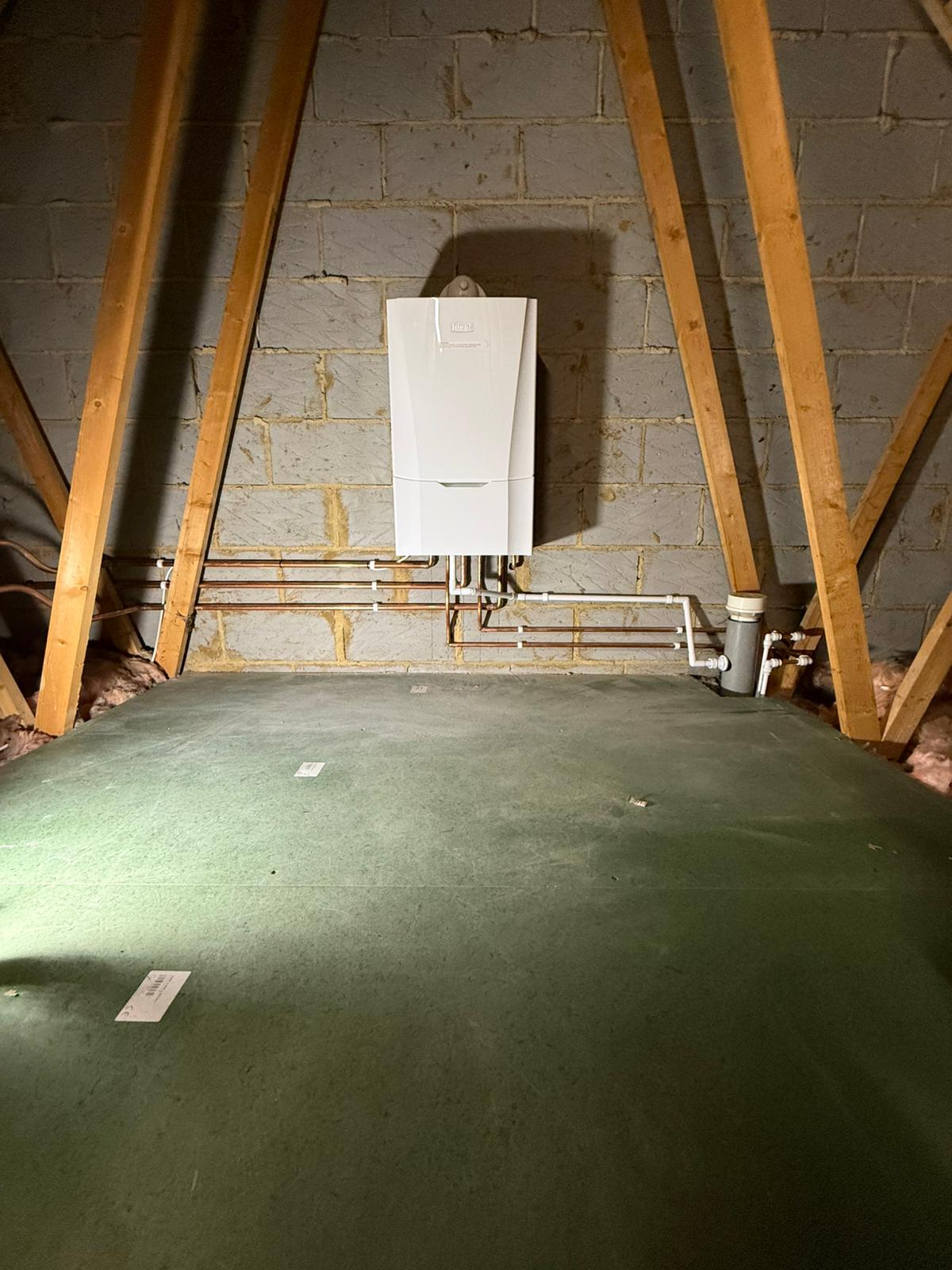
10. Upgrade the boiler. An efficient boiler can really help reduce fuel use and bills. If your boiler has become inefficient over time or re starting to need replacement parts, it could be worth considering a complete upgrade, especially if you are planning to stay in your home for a long time.